

Introduction: Trading as a Modern Financial Discipline
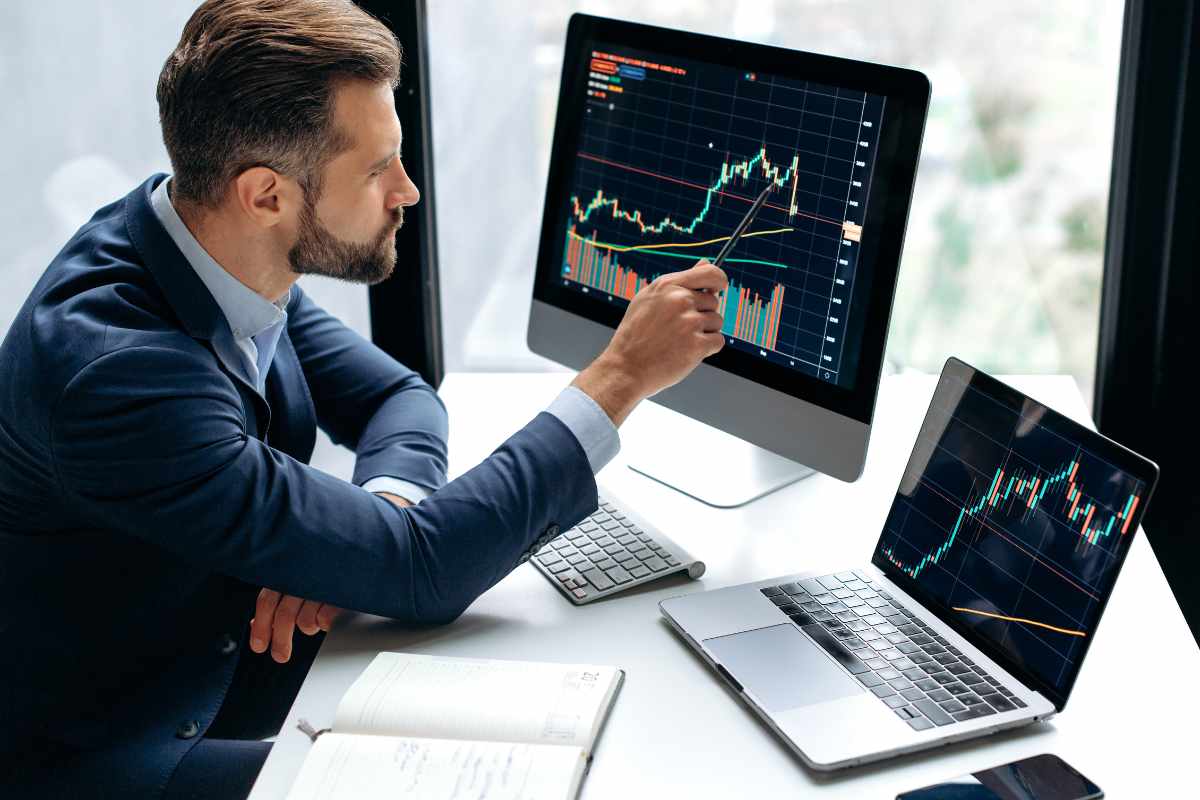
In today’s fast-paced financial ecosystem, trading is no longer a niche reserved for Wall Street insiders. With the rise of digital platforms and real-time data access, anyone with a computer and an internet connection can step into the world of trading. But the accessibility of trading does not make it simple. In fact, behind the flashing tickers and candlestick charts lies a world of nuance, discipline, and calculated decision-making. Trading is both an art and a science—one that demands a mastery of technical analysis, a grasp of market psychology, and above all, emotional control. This article delves deep into the essence of trading, exploring its mechanics, mindset, and the mastery required to succeed in this sophisticated financial pursuit.
Understanding the Core of Trading
At its most basic level, trading involves the buying and selling of financial instruments—stocks, forex, commodities, derivatives, and cryptocurrencies—with the goal of making a profit. Unlike long-term investing, which focuses on gradual wealth accumulation over time, trading is inherently short-term, often seeking to capitalize on brief market movements.
Types of Trading Approaches
Each trader adopts a style aligned with their personality, risk tolerance, and time availability. The four main types of trading are:
-
Scalping: Ultra-short-term trades, sometimes held for just seconds or minutes. Scalpers aim to make small profits on large volumes.
-
Day Trading: Positions opened and closed within a single trading day. Day traders avoid overnight exposure to minimize risk.
-
Swing Trading: Trades held for several days to a few weeks, taking advantage of short-to-medium-term price patterns.
-
Position Trading: A longer-term approach where trades are held for weeks or months, relying heavily on broader trends and fundamental analysis.
Each method requires specific tools, discipline, and psychological readiness. There’s no universally superior strategy—success lies in aligning technique with temperament.
The Psychological Landscape of Trading
More than charts or technical indicators, it is a trader’s psychology that often determines success or failure. The market, after all, is a reflection of collective human behavior—fear, greed, hope, and panic.
Key Emotional Challenges Traders Face
-
Fear of Loss: This can lead to hesitation, premature exits, or avoiding trades altogether.
-
Overconfidence: After a few successful trades, some traders take excessive risks, believing they’re infallible.
-
Revenge Trading: Trying to recover from a loss by placing impulsive trades, often resulting in deeper losses.
-
Paralysis by Analysis: Overthinking every move can cause missed opportunities. Confidence must be balanced with decisiveness.
To navigate these emotional waters, seasoned traders develop mental resilience. They view losses as part of the game, not as personal failures. Journaling trades, reviewing performance, and practicing mindfulness are common techniques used to enhance emotional discipline.
Technical Tools of the Trade
Modern traders are armed with a vast array of technical tools. These tools, when understood and applied correctly, provide invaluable insights into market behavior.
Essential Trading Instruments Include:
-
Charts and Patterns: Candlestick patterns, trend lines, and support/resistance levels help visualize market movements.
-
Indicators and Oscillators: Tools like Moving Averages, RSI, MACD, and Bollinger Bands assist in identifying momentum and overbought/oversold conditions.
-
Volume Analysis: Volume confirms price action and helps gauge the strength of a trend.
-
Risk Management Tools: Stop-loss and take-profit orders are vital for protecting capital and locking in gains.
However, tools are only as effective as the hand that wields them. Over-reliance on indicators can lead to conflicting signals and analysis paralysis. Simplicity often proves more powerful than complexity.
Risk Management: The Non-Negotiable Element
In the realm of trading, capital preservation is paramount. No system, strategy, or trader is immune to losses. What separates the profitable from the perpetual beginner is not the ability to win every trade but the ability to manage risk intelligently.
Golden Rules of Risk Management
-
Never risk more than 1–2% of total capital on a single trade
-
Always use stop-loss orders to limit potential losses
-
Set realistic risk-to-reward ratios (ideally 1:2 or higher)
-
Avoid emotional trading—have a predefined plan and stick to it
Proper risk management not only protects capital but also provides the psychological safety net needed to trade with clarity and confidence.
The Role of Fundamental Analysis in Trading
While technical analysis dominates the short-term trading arena, fundamental analysis still plays a role—especially in swing and position trading. Understanding macroeconomic trends, corporate earnings reports, interest rate shifts, and geopolitical events can give traders an edge when timing trades around news cycles.
Combining Fundamentals with Technicals
Savvy traders often blend the two approaches. For instance, a trader might use earnings reports to identify a stock with upward potential and then use technical indicators to find the optimal entry point.
Technology and the Trader: A Modern Advantage
The digital revolution has transformed trading into a highly sophisticated, data-driven endeavor. Today’s traders have access to real-time charts, algorithmic trading platforms, and social trading communities.
Top Technological Advancements in Trading
-
Algorithmic Trading: Automated systems that execute trades based on pre-set parameters, eliminating emotional interference.
-
Mobile Platforms: Allow traders to monitor and react to markets anywhere, anytime.
-
AI and Machine Learning: Emerging tools that can analyze vast datasets, detect patterns, and even adapt to changing market conditions.
-
Social Trading Networks: Platforms like eToro enable users to follow and replicate the trades of successful professionals.
While technology enhances efficiency, it also increases competition. The modern trader must remain agile, continually upgrading skills and staying abreast of new developments.
Conclusion: Trading as a Journey of Mastery
Trading is not a path to overnight riches. It is a lifelong learning process that tests one’s intellect, patience, and emotional fortitude. The markets are both an opportunity and a mirror—revealing not just trends and price levels, but the strengths and weaknesses of the individual behind the screen.
Success in trading is less about beating the market and more about mastering oneself. With the right combination of strategy, discipline, and humility, trading becomes more than a financial pursuit—it becomes a craft, a personal evolution, and for some, even a calling.

Comments are closed.